The False Cheetah

Pankaj Singh
| 14-09-2026
 · Animal Team
Genetic and fossil evidence reveal Miracinonyx trumani, an Ice Age North American predator, was no cheetah relative — it belonged to the puma lineage and evolved a similar build.
Fossils from the Arctic Yukon also reveal that some populations had an unusual diet, likely relying on fish such as salmon to survive in northern environments.
A predator with a misleading name
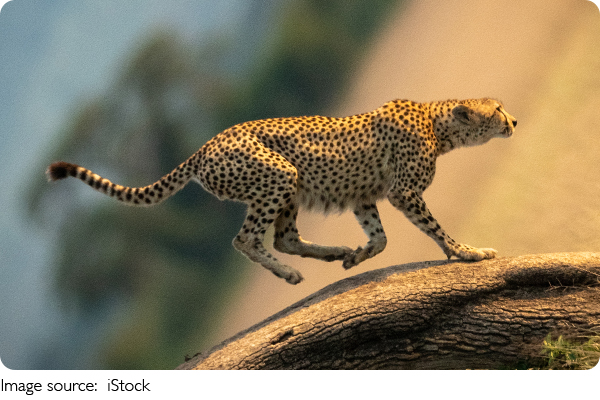
For decades, Miracinonyx trumani was known as the American cheetah because of its long legs, lightweight body and overall resemblance to the modern cheetah. However, a new study led by scientists from the University of California, Santa Cruz, shows that this name does not accurately describe the animal’s evolutionary history or hunting behaviour.
By analysing nuclear paleogenomes and stable isotope evidence, researchers determined that M. trumani was a close relative of the puma rather than a member of the cheetah family. The species separated from the puma lineage around 2.6 million years ago.
Its cheetah-like appearance was the result of evolutionary convergence — a process in which unrelated species develop similar physical features because they face comparable environmental challenges. In this case, a slim body and long limbs may have helped the predator move efficiently across open landscapes, much like modern cheetahs do in Africa.
From grasslands to Arctic waters
The study also revealed that Miracinonyx trumani occupied a much wider range than previously believed. Researchers extended the known distribution of the species by around 20 degrees of latitude, showing that it reached far into northern regions.
In areas such as Wyoming and Florida, the predator appears to have lived as a generalist hunter in temperate grasslands. It likely chased terrestrial prey using speed and agility.
Northern populations, however, adapted to a very different environment. Fossils discovered in the Yukon Territory suggest that Arctic individuals may have depended heavily on fish, including migratory species such as salmon. This indicates that the predator was far more flexible than scientists previously assumed.
Adults Miracinonyx trumani are estimated to have weighed around 150 pounds, reached approximately three feet in height and measured about eight feet from nose to tail. Their powerful front limbs may have helped them capture and hold prey, giving them hunting abilities beyond simple high-speed pursuit.
Genetic adaptations to extreme climates
To understand how the species survived in such diverse habitats, researchers analysed high-quality genome sequences from fossils dating back between 23,000 and 31,000 years.
The genetic data revealed possible adaptations that helped northern populations cope with the extreme seasonal changes of the Arctic. Scientists identified mutations affecting genes involved in regulating circadian rhythms, suggesting that these predators may have adjusted to the unusual patterns of constant summer daylight and long winter darkness.
The research also uncovered a unique sensory feature. Like other cats, Miracinonyx trumani lacked the ability to taste sweetness, but researchers found that felids in the study also had inactive genes connected to sour taste detection. Similar sensory changes can occur in animals with highly specialised diets.
A slow decline toward extinction
The study provided new clues about why Miracinonyx trumani disappeared near the end of the Pleistocene. Genetic analysis showed that populations from both Wyoming and the Yukon had relatively low genetic diversity.
However, researchers found no strong evidence of severe inbreeding or sudden population collapse. Instead, the species appears to have experienced a gradual decline over millions of years. This slow reduction may have made it harder for the predator to adapt when environmental conditions changed.
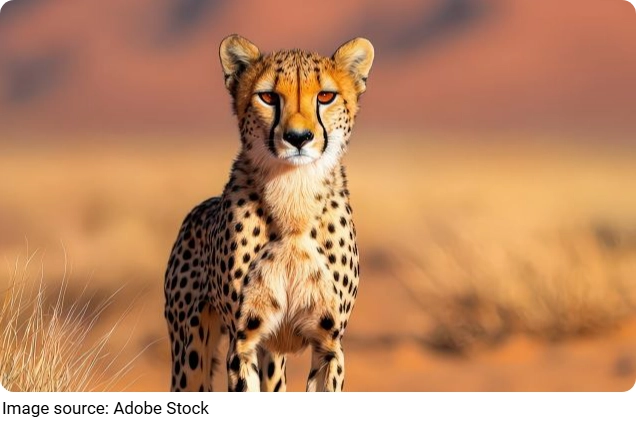
The story of the American “cheetah” shows why extinct animals cannot always be understood by appearance alone. Behind its familiar nickname was a much more complex predator — one that combined puma ancestry, cheetah-like speed and an unexpected ability to adapt to completely different environments.