Aglaonema Growing Tips!

Mason O'Donnell
| 16-09-2026
 · Nature Team
Aglaonema can grow indoors in low light, but care still depends on the variety and home conditions. Dark-green varieties generally tolerate lower light better, while colorful or highly variegated types need brighter indirect light to maintain their leaf color.
Checking light, soil moisture, drainage, humidity, and seasonal growth can help prevent common care problems.
1. Choose the Right Light
Aglaonema varieties with dark-green leaves and less variegation can adapt to lower light, but lower light does not mean complete darkness. Colorful varieties such as Red Aglaonema and Pink Valentine need bright, indirect light to maintain their color and healthy growth. Direct sunlight can scorch the leaves, so place the plant away from intense sun.
Insufficient light can cause leaves to lose variegation and color while producing smaller, weaker growth. Rotating the plant every few months can also help it receive light more evenly.
2. Water According to the Soil
Aglaonema should be watered when the potting mix is almost dry rather than according to a rigid calendar. Watering frequency changes with container size, soil type, location, indoor conditions, and season.
During warmer months, watering may be needed every 7–9 days under the conditions described in the source, while winter watering may extend to every 10–14 days. These intervals can vary in different homes or climates, so checking the soil remains more useful than following a fixed schedule.
Use a container with at least one drainage hole so excess water can leave freely. Excessive water retention can contribute to root rot. Reduce watering during colder months when growth slows.
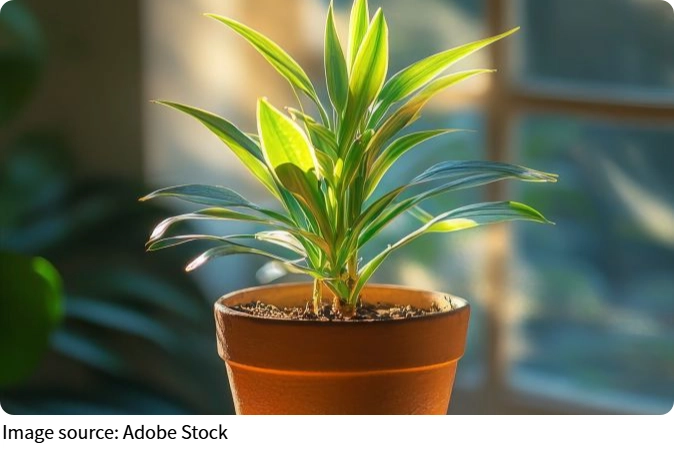
4. Use Well-Draining Soil
Aglaonema grows well in a peat-based indoor potting mix that drains efficiently. Heavy, poorly draining soil can retain too much moisture, so adding pumice or perlite can improve aeration and drainage. A practical mix uses three parts potting soil to one part pumice or perlite. Worm compost and compost can also be mixed in to provide additional organic matter.
Repotting is generally best in spring or summer, during active growth, while early fall can work in warm climates. Choose a container one size larger when roots emerge from the drainage holes or have become tightly packed. Gently loosen the root ball before placing it into fresh soil.
5. Manage Temperature and Humidity
Keep Aglaonema away from cold drafts, air-conditioning vents, and heating vents. Stable indoor conditions are preferable because sudden exposure to cold or heated air can stress the plant. Aglaonema is native to subtropical and tropical regions but can adapt to dry indoor air. When humidity is low, place the container on a pebble tray or saucer filled with water, making sure the drainage holes and bottom of the container do not sit directly in the water.
Misting the leaves several times a week can also increase humidity around the plant. Small brown leaf tips may develop when indoor air is dry, although mineral buildup from tap water and excessive fertilizer can cause similar symptoms.
6. Prune, Feed, and Check for Pests
Aglaonema needs limited pruning. Remove occasional yellow lower leaves or spent flowers, trim overgrown stems, and use clean, sharp pruners for propagation. Leggy plants can be cut back to a few inches above the soil line, with 4–8-inch stem cuttings suitable for propagation in a light, well-draining mix. Feed during active growth, when new leaves begin to appear. A houseplant fertilizer used two or three times per year may be sufficient, depending on growing conditions.
Excessive fertilizer can cause salt buildup and lead to brown leaf edges or spots, so stressed plants that are extremely dry or soaking wet should not be fertilized. Mealybugs, spider mites, aphids, and scale can affect Aglaonema. Inspect the plant regularly and separate any affected plant from others, as pests can spread between plants.
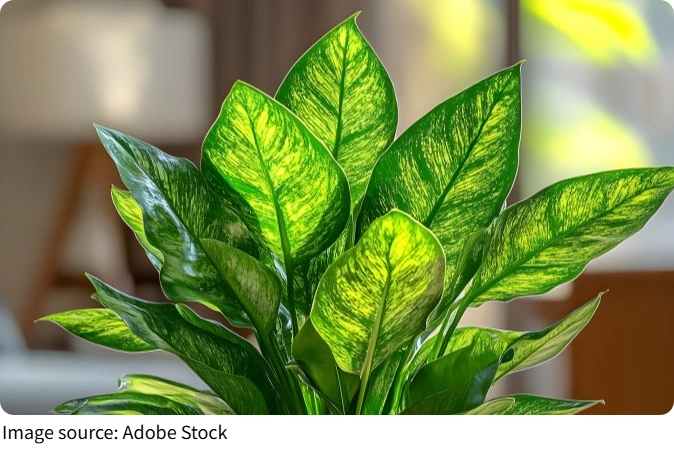
Aglaonema is considered toxic to pets, so it should be kept where pets cannot chew or ingest the plant. Consistent light, controlled watering, good drainage, and suitable humidity provide the main foundation for healthy growth. Check the soil and leaves regularly, then adjust care according to the season and the plant's specific growing conditions.